
Orton-Gillingham vs. Lindamood-Bell: Choosing the Right Approach for Your Child
Understanding the Two Leading Approaches to Structured Literacy
When parents first learn that their child struggles with reading, two names come up again and again: Orton-Gillingham and Lindamood-Bell. Both are well-researched, highly respected approaches to dyslexia tutoring, but they work in meaningfully different ways. Understanding those differences is the first step toward finding the right support for your child.
At LINKZ, we are proud to be an official IDA provider and to offer both methodologies. We believe that no single program is the best fit for every learner.
What Is the Orton-Gillingham Approach?
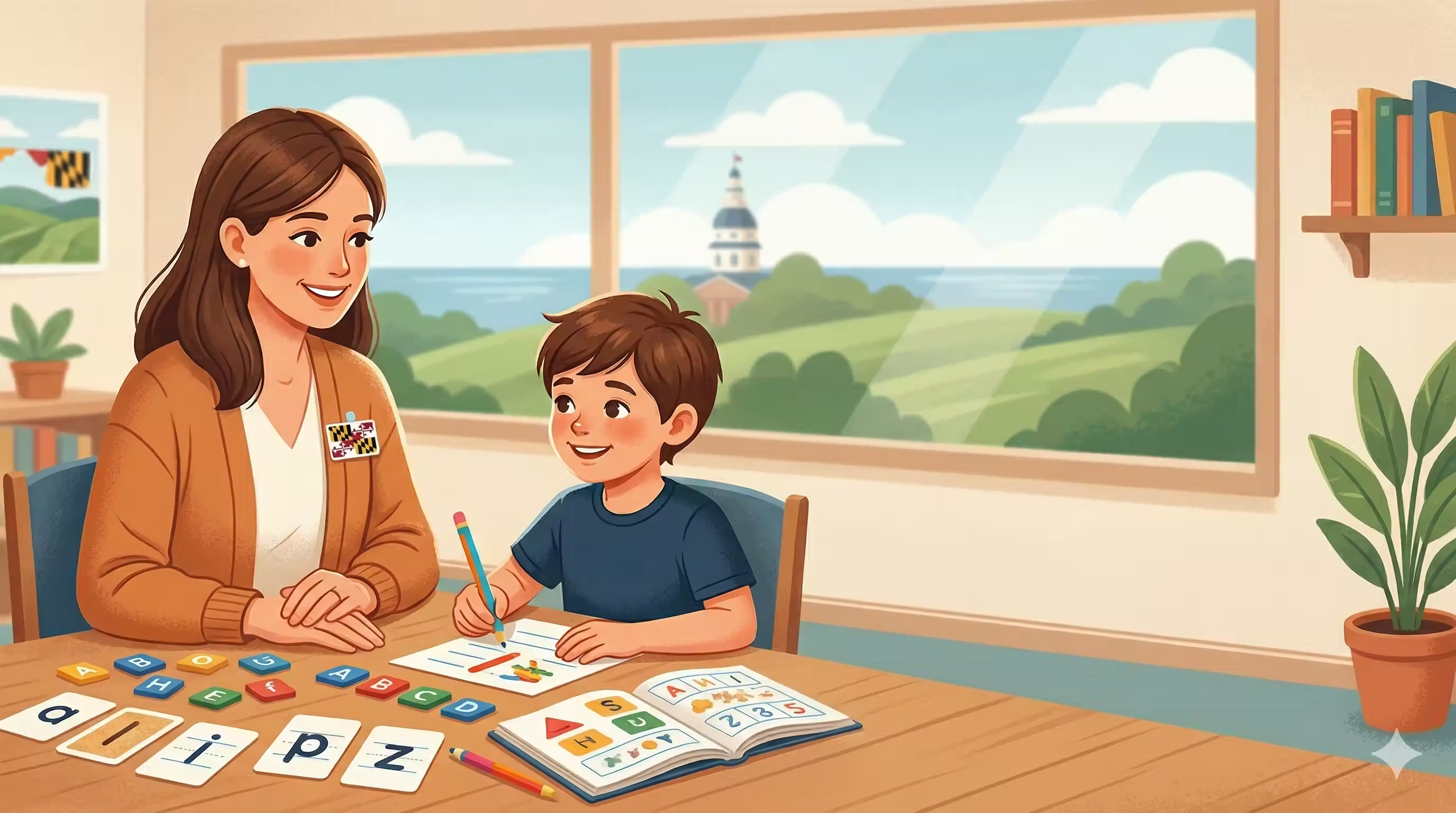
Orton-Gillingham (OG) is one of the oldest and most widely recognized approaches to teaching reading, with roots stretching back to the 1930s.
Core Principles of Orton-Gillingham
- Multisensory instruction: Lessons engage visual, auditory, and kinesthetic-tactile pathways simultaneously.
- Systematic and sequential: Skills are taught in a carefully ordered progression.
- Explicit and direct: Each rule of the English language is directly taught, practiced, and reviewed.
- Diagnostic and prescriptive: Instruction is continually adjusted based on the student's responses.
- Cumulative: Every lesson reviews previously taught material.
What Is the Lindamood-Bell Approach?
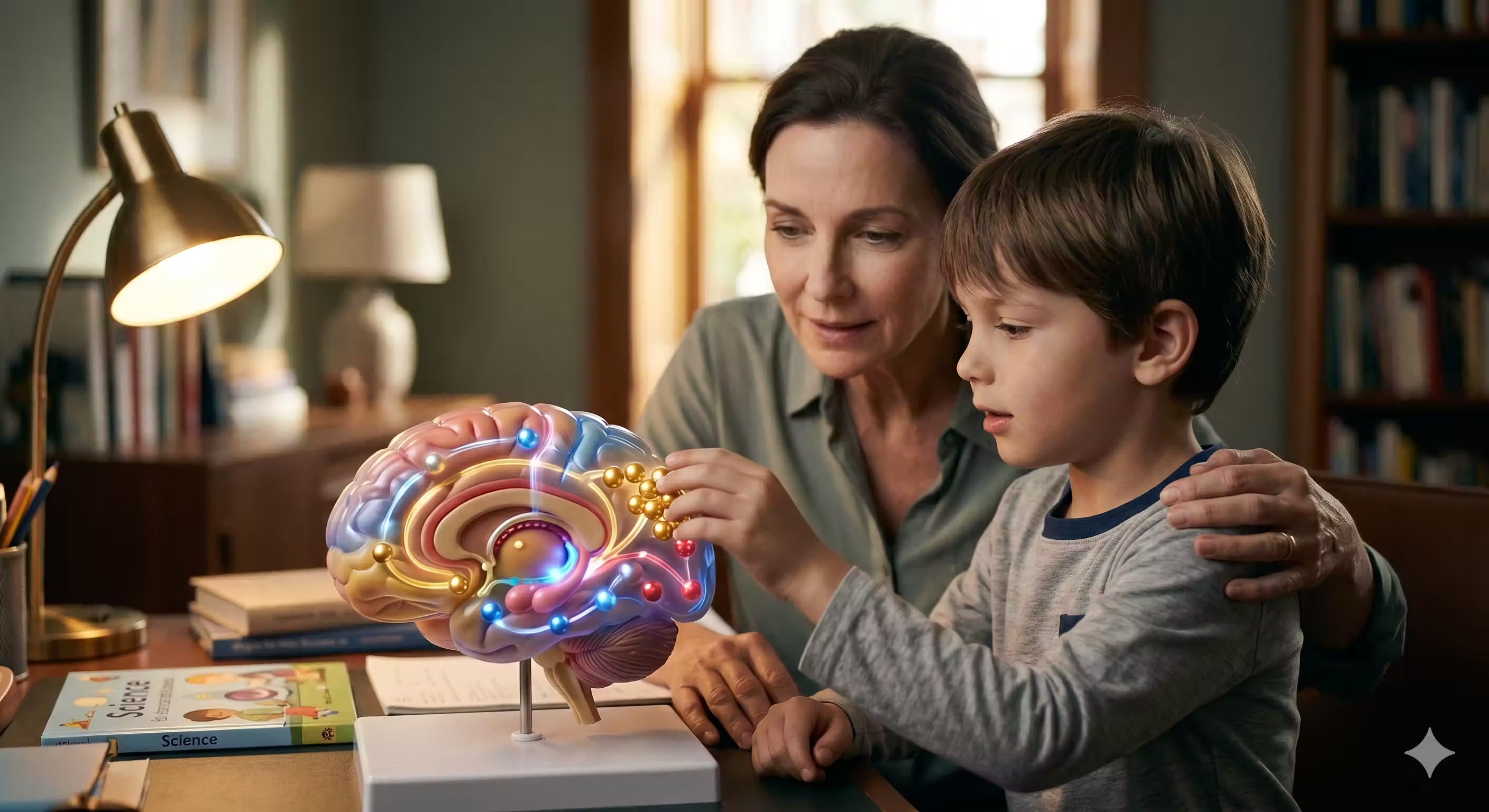
Lindamood-Bell Learning Processes target the sensory-cognitive processing that underlies reading, spelling, and comprehension. The philosophy centers on a powerful idea: if a student cannot create mental imagery from language, no amount of phonics instruction alone will close the gap.
Key Lindamood-Bell Programs
- Lindamood Phoneme Sequencing (LiPS): Teaches students to identify and monitor the mouth movements associated with individual sounds.
- Visualizing and Verbalizing (V/V): Develops concept imagery — the ability to create mental pictures from spoken or written language.
- Seeing Stars: Focuses on symbol imagery, supporting sight-word recognition and spelling accuracy.
How Do They Differ?
Focus and Entry Point
Orton-Gillingham enters through the structure of language itself. Lindamood-Bell enters through sensory-cognitive processing. Think of it this way: OG teaches the "what" of reading, while Lindamood-Bell strengthens the "how" of the brain's ability to process it.
Decoding vs. Comprehension
Orton-Gillingham is exceptionally effective for students whose primary challenge is decoding. Lindamood-Bell offers unique strength in building reading comprehension and higher-order language processing.
Which Learners Benefit Most from Each Approach?
Orton-Gillingham may be an especially strong fit for students who:
- Have a primary diagnosis of dyslexia with decoding as the central challenge
- Struggle with spelling, phonics patterns, and reading accuracy
- Benefit from a highly systematic, rule-based approach to learning
- Also have dysgraphia or written expression difficulties
Lindamood-Bell may be an especially strong fit for students who:
- Can decode words but still struggle to understand what they have read
- Have weak phonemic awareness and difficulty distinguishing sounds
- Struggle with following multi-step directions or retelling stories
- Need to strengthen underlying cognitive processes before structured language instruction
Why LINKZ Offers Both Methods
When a family comes to LINKZ, we begin with a thorough diagnostic assessment that examines the full picture. This assessment tells us not just what a child is struggling with, but why. Having both tools means we never have to force a child into a program that does not fit. Our structured literacy programs are built on this philosophy of individualized, evidence-based instruction. Learn more about our teaching methods.
Making the Right Choice for Your Family
Choosing between Orton-Gillingham and Lindamood-Bell does not have to be a decision you make alone. The best dyslexia tutoring is responsive, flexible, and grounded in ongoing assessment. Schedule your free call today and take the first step toward the right support for your child.








.svg)


